
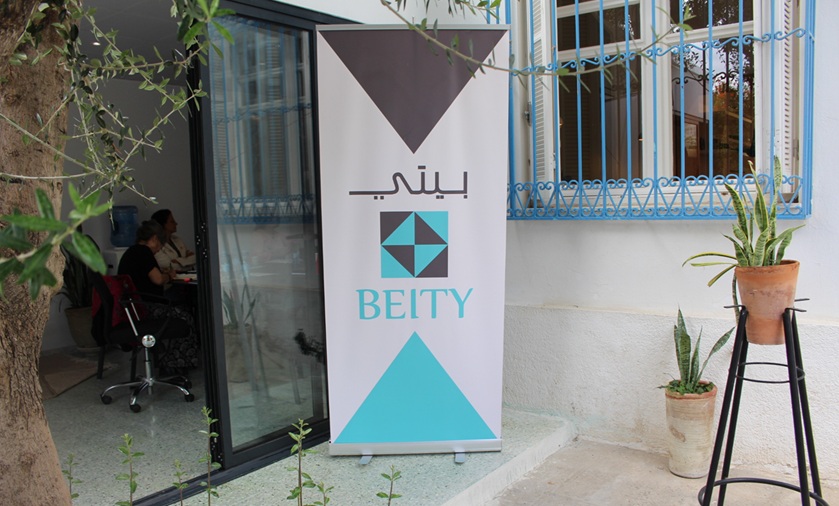
The Beity Association held its elective general meeting on November 15, 2025. Its members expressed their deep concern about the shrinking civil and political space in Tunisia, as well as the deterioration of the situation of rights and freedoms. However, they reaffirmed their determination to continue their commitment to women and for women, in the defense of freedom, democracy, equality and social justice.
The general assembly unanimously approved the moral and financial reports, before proceeding with the election of the new executive office for the period 2025-2028. The composition of the new management committee is as follows:
Walid Larbi, president
Sana Ben Achour, treasurer
Rami Khouili, general secretary
Samia Fraoues, member
Mehdi Baccouch, member.
In its first press release, the elected office expressed its gratitude to the outgoing management for the efforts made to preserve the objectives and continuity of the association despite the difficulties and restrictions encountered. He also reaffirmed his commitment to continuing the fight for real and total equality, within the framework of a civil and democratic State.
Shrinkage of civil space and pressure on associations in Tunisia: an alarming context for freedom and democracy
For several months, several Tunisian civil society organizations have been subject to increasing pressure and restrictive administrative measures. The Tunisian Association of Democratic Women (ATFD) was forced, at the end of October 2025, to temporarily suspend its listening centers for women victims of violence, a decision contested by the association as illegal and seen as an attack on the achievements of the feminist movement.
At the same time, the Tunisian Forum for Economic and Social Rights (FTDES) also saw its activities suspended for a month, in a context of repeated controls and attempts at intimidation aimed at restricting independent civil space. The Tunisian authorities have also decided to suspend the activities of the Nawaat information site for one month, a measure included in the framework of Decree-Law No. 88 governing associations and structures receiving foreign funding.
This series of sanctions comes in a climate marked by a judicial investigation opened in October 2025 targeting associations suspected of having received significant foreign funding, in particular from the network of George Soros’ Open Society foundation. Among the targeted organizations are Al-Bawsala, FTDES, I Watch, Inkyfada, as well as several structures from the LGBTQ+ community, such as Mawjoudin, Damj, Chouf and Shams.
To date, this investigation has led to the dissolution of 47 associations and the freezing of the assets of 36 others.
S.H.