


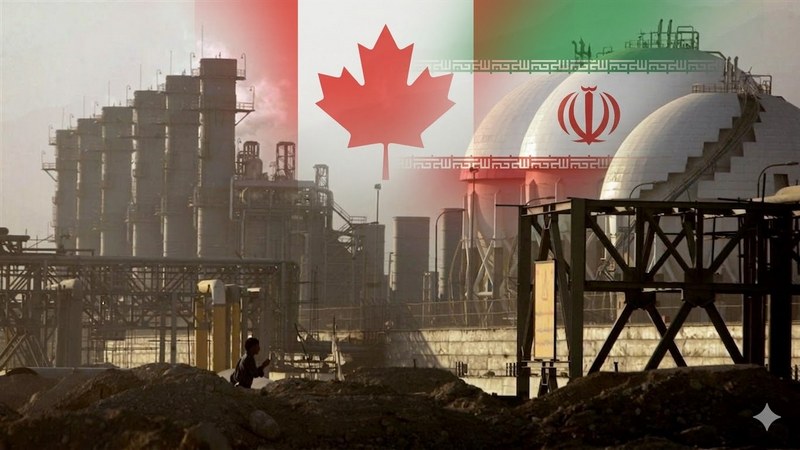
The war in Iran has caused what experts feared, namely the blockage of the Strait of Hormuz, through which 20% of the world’s oil and liquefied natural gas (LNG) pass. The shock wave of these geopolitical tensions wasted no time in shaking the markets. Crude oil prices have seen wild fluctuations. The price of a barrel of Brent, the international benchmark, first rose to US$119.50, before falling sharply to reach US$83.66 during the same day. This exceptional daily volatility is explained by the uncertainty surrounding the potential duration of the conflict in the Middle East, a region on which a large part of the world’s oil supply depends. At press time, oil prices have soared again, despite the release of reserves by the International Energy Agency (IEA), due to Iran’s continued closure of the Strait of Hormuz and concerns over a possible stagnation of the conflict in the Middle East. The barrel of Brent is close to US$100 and is likely to rise further. In a context of high geopolitical tensions, the disruptions in oil supplies, described by the IEA as the largest in the history of the oil market, are having an impact on the entire global economy. But what about the Canadian economy?
The impact of the conflict in the Middle East on the Canadian economy
The repercussions of this conflict on the country’s economy are manifested through a set of direct and collateral effects (cost of energy, disruption of supply chains, stock market fall, uncertainty, loss of confidence, etc.).
The first effect of this conflict, you have already felt it when you went to the service stations, gasoline costs more. The national average price crossed the $1.52/L mark, while in Quebec, prices rose by 10 to 20 cents per liter, reaching record levels, in particular. According to experts, the cost of a liter could quickly rise to $1.90 in Quebec if the conflict persists. The rise in the cost of energy is reflected in the price of many consumer products (transport, agri-food, manufacturing industry, retail trade, etc.), which exacerbates inflationary pressures and encourages the Bank of Canada to maintain or raise its key rate (2.25%) to contain inflation, at the risk of curbing investment and consumption. Furthermore, the volatility of barrel prices and its repercussions on many sectors increase uncertainty for Canadian investors who must adjust their energy costs, which may dissuade the realization of certain projects.
On a macroeconomic scale, the rise in the price of a barrel should increase the value of Canadian oil and gas exports, as well as the revenues of producing provinces, notably Alberta, Saskatchewan and Newfoundland and Labrador. Federal Natural Resources Minister Tim Hodgson says a growing number of countries are showing interest in Canada’s oil and gas resources. Such a situation could improve the profitability of energy sector companies, attract more investments and support the Canadian economy, while contributing to the appreciation of the Canadian dollar.
For economists, the magnitude of these effects will depend above all on the duration of the conflict in the Middle East. If tensions persist and oil prices remain high, the impact on the Canadian economy could become more pronounced, both for consumers and businesses.
Sofiane Idir