


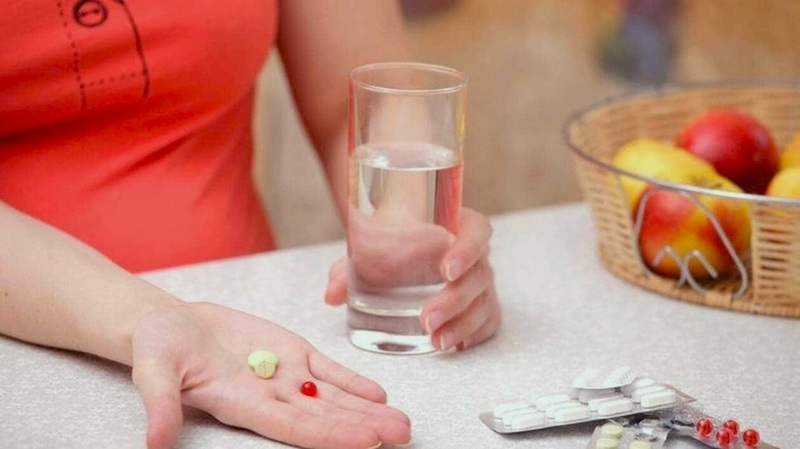
Abuse of anything is a fault, because the remedy can become poison. Paracetamol, ibuprofen or antihistamines… Many of us place almost blind trust in these everyday molecules. However, self-medication can cause serious or even fatal effects. Because the danger lies in the illusion of their harmlessness… A blind spot in public health, fueled by habit and ignorance of the risks.
Between the trivialization of self-medication and a lack of awareness of the risks, the most widely used medications – such as paracetamol – can cause sometimes severe adverse effects.
When the cure becomes poison
“Everything is poison, nothing is poison: only the dose makes the poison”, Paracelsus (1493-1541)
This founding adage of pharmacy, taught from the first year to future pharmacists, retains its relevance today. Paracelsus understood as early as the 16th century that a substance could be beneficial or toxic depending on the dose, duration and context of exposure. Moreover, the word pharmacy derives from the Greek word phármakon meaning both “remedy” and “poison”.
Paracetamol, an analgesic and antipyretic (medication that fights pain and fever) widely consumed, is perceived as harmless. However, it is responsible for acute drug-induced hepatitis, particularly during accidental overdoses or involuntary combinations between several specialties which contain it.
Ibuprofen, also widely used to relieve pain and fever, can cause gastric ulcers, digestive bleeding or kidney failure, if taken in high doses and for a prolonged period or with other treatments acting on the kidney.
Aspirin, a drug still found in many medicine cabinets, thins the blood and can promote bleeding and hemorrhage, particularly digestive. In the event of a very significant overdose, it can even lead to disorders of the acid-base balance in the blood and lead to coma or even death if there is not rapid treatment.
These examples illustrate a fundamental principle: there are no drugs without risk. All of them can, under certain conditions, cause deleterious effects. Therefore, the question is not whether a drug is dangerous, but under what conditions it becomes so.
Why do all medications have side effects?
Understanding the origin of adverse effects requires a detour through pharmacology, the science which studies the fate and action of medicines in the body.
Each drug works by binding to a specific molecular target to modify a biological function. But these active substances, exogenous to the body, are never perfectly selective: they can interact with other targets, thus causing undesirable effects – formerly called side effects.
Contraindications and interactions: when other factors get involved
Adverse effects do not depend solely on the dose. Individual susceptibilities, drug interactions as well as physiological or pathological factors can contribute to the occurrence of adverse effects.
In people with hepatic insufficiency (which concerns the liver), for example, the breakdown of paracetamol normally carried out by the liver is slowed down, which promotes its accumulation and increases the risk of toxicity of this medication for the liver.
Alcohol, by acting on the same brain receptors as benzodiazepines, potentiates their sedative and respiratory depression effects (which corresponds to a reduction in respiratory frequency, which can then become too low to ensure the body’s supply of oxygen).
These mechanisms explain the need for contraindications, precautions for use and strict dosage limits, specified for each drug in its marketing authorization. Before each medication, the user must consult the instructions in which this essential information is summarized.
How are drug risks managed?
Before being marketed, any drug is subject to a rigorous assessment of the benefit/risk ratio. But the evaluation does not stop after marketing authorization. As soon as a drug is used in real life, it enters a pharmacovigilance phase: continuous monitoring of adverse effects reported by healthcare professionals or patients themselves.
The highest risk medications are only available on medical prescription, because the benefit/risk balance must be assessed patient by patient, by the doctor. The others, accessible without a prescription, remain delivered exclusively in pharmacies, where the pharmacist plays a decisive role in evaluation and advice. This human mediation constitutes an essential link in the drug safety system.
A balance to be rebuilt between confidence and caution
The drug is neither a consumer product like any other nor a poison to be avoided. It is a powerful therapeutic weapon, which requires discernment and respect. Its safety is based on a relationship of informed trust between patients, caregivers and institutions. Faced with the rise of self-medication and the massive circulation of sometimes contradictory information, the challenge is not to demonize medicine, but to restore rational understanding of it.
Used well, it heals; misused, it destroys. This is the whole meaning of Paracelsus’ message, still five centuries later.
Mohand Lyazid Chibout (Iris)