


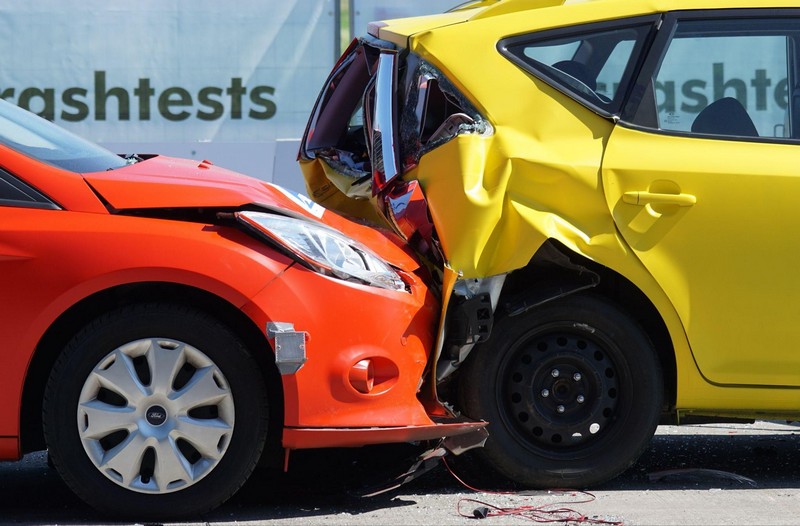
In Quebec, any person injured in a road accident is compensated by the Société de l’assurance automobile du Québec (SAAQ), without regard to liability. This public system has a considerable advantage: the victim does not have to sue the at-fault driver. However, it has an often overlooked counterpart. The SAAQ alone decides on the eligibility, amount and duration of compensation, and its decisions can only be contested within a strict framework. This article explains how the system works, the most frequently contested decisions and the remedies available to a victim who feels wronged.
A no-fault regime, but not without limits
According to the 2025 road report published by the SAAQ, 30,018 people were injured or killed on Quebec roads last year, including 1,282 seriously injured and 28,365 lightly injured. The Montreal region alone has 6,181 people injured. Each of these people comes under the same regime: the Automobile Insurance Act.
Under this law, the victim is compensated by the SAAQ whether or not they are responsible for the accident. In exchange, she waives any civil action against the person responsible for her injuries, except when the accident occurs outside Quebec. The system is therefore advantageous at the time of the initial claim, but it concentrates all of the decisions affecting the victim in the hands of a single organization.
It is precisely at this stage that the support of a professional makes sense. A lawyer specializing in SAAQ intervenes when the decision rendered does not reflect the real medical situation of the victim, whether it is a refusal of claim, an interruption of compensation or an assessment of the after-effects deemed insufficient.
The SAAQ bases its decisions on the medical file it holds and on the opinion of its own evaluators. When the attending physician’s reports are incomplete, imprecise or written without knowledge of the organization’s criteria, the resulting decision may underestimate the severity of the injuries. An unrecognized diagnosis, a return to work deemed premature or an end to compensation based on questionable consolidation are the most common situations.
Compensation provided for by law
The Automobile Insurance Act provides for several categories of compensation. The main ones are income replacement compensation (IRR), paid when the victim is unable to carry out their job, and compensation for non-pecuniary damage, which compensates for permanent, physical or psychological aftereffects. Added to this is the reimbursement of certain costs (care, travel, personal assistance, adaptation of the home or vehicle) and, in the event of death, compensation to relatives.
The IRR corresponds to a percentage of the net income that the victim earned before the accident, up to an insurable maximum revised each year. Its payment stops when the SAAQ considers that the victim has become capable of holding their job again or a job that they consider suitable. This determination of “capacity” constitutes one of the most common grounds for dispute, because it is based on a medical and administrative evaluation that the victim does not control.
The assessment of permanent after-effects follows a regulatory scale. Visible damage, such as a poorly healed fracture or amputation, is generally well documented. So-called invisible after-effects, such as mild craniocerebral trauma, chronic pain or post-traumatic stress disorder, are, however, more difficult to have recognized and require rigorous medical proof.
Contesting a decision of the SAAQ: the review, then the TAQ
Receiving an unfavorable decision does not close the case. The law provides for two levels of challenge, each with a time limit.
The victim first has 60 days from receipt of the decision to request a review. This is an internal review by the SAAQ. This deadline is strict: a request filed after the deadline is in principle inadmissible, unless reasonable grounds are demonstrated. The request must be motivated and, ideally, supported by new or additional medical elements.
If the review decision remains unsatisfactory, the victim may refer the matter to the Administrative Tribunal of Quebec (TAQ) within a further period of 60 days. The TAQ is a tribunal independent of the SAAQ. He hears the evidence, including medical assessments, and renders a final and final decision. The Superior Court retains supervisory power, but its intervention is limited to exceptional circumstances.
The role of legal support
The intervention of a lawyer is not limited to pleading. It ideally begins with the initial claim, by checking forms and medical reports. During the file, it consists of analyzing the reasons for the decision, identifying the shortcomings of the evaluation, obtaining independent medical expertise if necessary and preparing the request for review, then recourse to the TAQ. Some firms, such as Bégin Lawyer in Montreal, have devoted themselves exclusively to this type of case before the SAAQ, CNESST and Retraite Québec for more than 30 years, which gives them practical knowledge of the criteria applied by these organizations.
It should be noted that no professional can guarantee the outcome of a dispute. The chances of success depend on the medical evidence, the consistency of the file and the application of the law to the facts. What a lawyer brings is an informed reading of these chances and mastery of a procedure whose errors are often irreversible.