


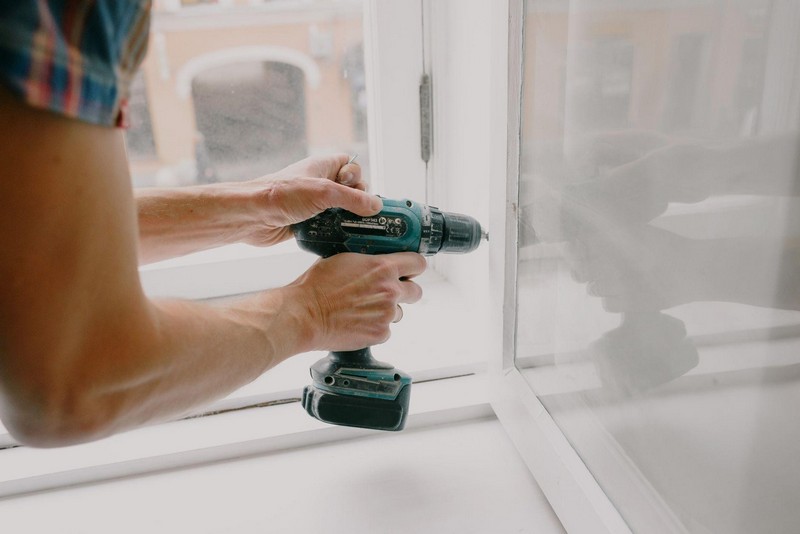
Renovating the doors and windows of a house represents a significant investment, often motivated by persistent drafts or a heating bill that climbs year after year. Many homeowners start without clear planning, which leads to hasty choices or a budget that is poorly distributed between the different openings of the house. A structured, step-by-step approach helps avoid these common pitfalls while achieving a result that truly meets the real needs of the household.
Evaluate the actual condition of existing openings
Before ordering anything, you need to identify precisely which windows and doors are really causing the problem. A Quebec window and door manufacturer experienced often recommends a thermal inspection to spot air leaks invisible to the naked eye, rather than systematically replacing all openings indiscriminately.
Establish an order of priority according to urgency
Not all windows deteriorate at the same rate. Prioritizing those oriented towards the prevailing winds or those showing visible signs of deterioration allows you to intelligently distribute a limited budget, rather than undertaking everything at the same time without a clear distinction between the urgent and the simply desirable. This gradual approach also spreads the expense over several years rather than over a single complete renovation season.
Choose the right time for the work
Spring and fall generally offer the best conditions for this type of work, avoiding temperature extremes that complicate the installation and sealing of new frames. Scheduling outside of peak season also reduces wait times with in-demand contractors, which can make a difference of weeks to the entire final project schedule.
Compare submissions with clear criteria
Comparing only the final price often leads to surprises, since some quotes exclude costs that only appear after the work has started. Requesting a clear breakdown of costs, including installation and finishing, allows for an honest comparison between several suppliers, whether Isothermic or another manufacturer established in the region.
Questions to ask before signing
Asking for the exact guarantee offered, the actual delivery time and references of similar projects avoids many disappointments once the contract is signed. These simple questions quickly reveal the seriousness of a contractor even before work officially begins, and allow you to more fairly compare offers that seemed similar at first glance.
Plan for additional work that is often forgotten
Replacing a window sometimes involves adjustments to the exterior cladding or interior moldings, costs that are often outside the initial budget. Anticipating this additional work from the start avoids budget overruns that surprise so many owners during the project, once the walls have already been opened for the installation in progress.
Check the quality of the final installation
A poorly installed quality window loses much of its originally promised energy benefits. Inspecting the caulking, alignment and absence of drafts once the work is completed confirms that the investment is truly delivering the expected benefits, regardless of the supplier chosen to manufacture the new units installed in the house.