


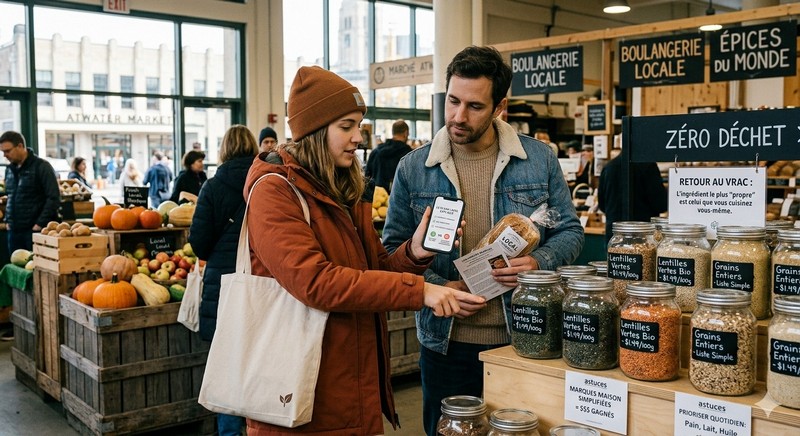
In 2026, a new trend will emerge in the aisles of grocery stores and food markets: Clean Label. Consumers no longer just look at price; they track down ingredient lists and unpronounceable additives. But in a context where the grocery basket weighs heavily on the budget, has the quest for simple food become a luxury reserved for an elite?
What is “Clean Label”?
The concept is simple: the fewer ingredients, the better. We favor minimally processed foods, without artificial colors, without synthetic preservatives and without hidden sugars. For the food industry, this is a major shift that requires reviewing recipes, which often has an impact on the final tablet price.
The Montreal portfolio dilemma
For the average citizen, the calculation is complex. Products with “clean” labeling cost on average 15% to 30% more than their ultra-processed counterparts.
The hidden cost
While the Clean Label product costs more to purchase, advocates of the trend argue that it is an investment in long-term health, potentially reducing costs related to future medical care.
The budgetary reality
With inflation continuing in 2026, many families are forced to make compromises, creating a food gap between those who can “afford” health and those who cannot.
Tips for adopting the “Clean Label” without emptying your account
Fortunately, eating “real” food does not necessarily require paying the high price of luxury brands. Here’s how to navigate:
The return to bulk and raw products
The “cleanest” ingredient is the one you cook yourself. Buying legumes, grains and spices in bulk remains the most economical strategy in 2026.
Decoding private labels
Major Quebec banners have launched their own simplified ranges. They often offer the same quality composition as major health brands, but at a significantly lower price.
Prioritize according to the “red list”
If your budget is tight, don’t aim for 100% Clean Label. Focus on the products you consume daily (bread, milk, butter, oil) and be more flexible with occasional products.
Conclusion: A political and economic choice
The Clean Label movement is not just a passing fad; it is a reflection of economic awareness. As consumers, our choices at the grocery store send a strong signal to producers. Supporting local businesses that focus on transparency also means investing in a healthier and more sustainable economy for Quebec.
Martine Dallaire, B.B.A.