


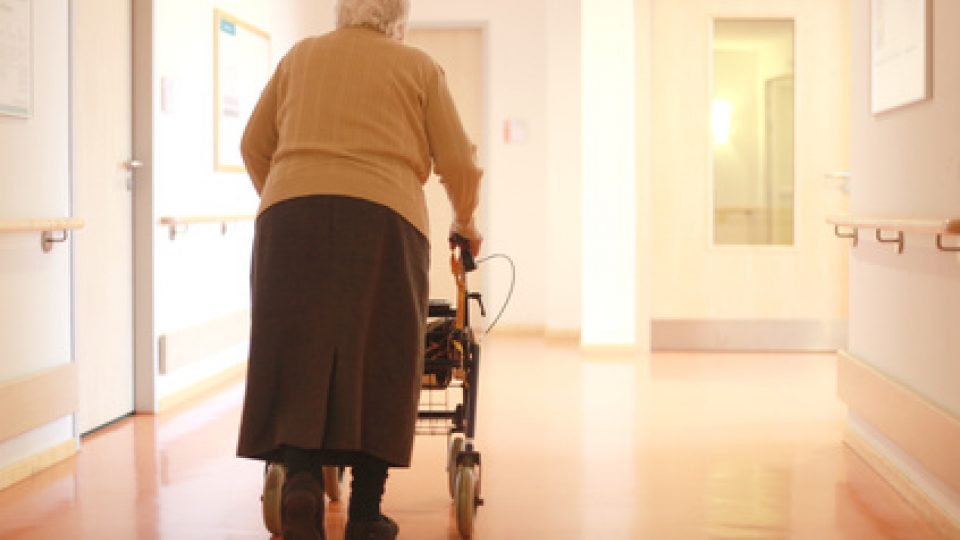
The crisis shaking the network of private seniors’ residences (RPA) in Quebec has just crossed a new critical threshold. While 740 residences have closed their doors in eight years across the province – forcing the emergency rehousing of thousands of people – the new draft regulation on the operation of RPAs is causing concern.
A worrying situation
A large coalition of rights defense organizations strongly denounces this legislative text published in the Official Gazette. According to these groups, the new government guidelines prioritize the financial viability of owners to the detriment of the safety and quality of life of the 140,000 seniors who currently live in RPA. In Quebec, the use of this model is massive: 18.4% of people aged 75 and over choose an RPA, compared to only 6.1% in the rest of Canada.
At the heart of the controversy is a marked relaxation of operational requirements aimed at giving oxygen to the 1,350 establishments still open. To limit costs, the regulation drastically cuts skill requirements: the obligation for beneficiary attendants to follow 180 hours of training is abolished, replaced by a common core of only 14 hours. If this measure represents an annual saving estimated at $7,125 per residence, it raises major indignation.
FADOQ sounds the alarm
THE FADOQ network, the largest seniors’ organization in Canada with nearly 620,000 members, is leading the protest and describes this text as an unacceptable social step backwards. The organization recalls that nearly 85% of RPAs now welcome semi-autonomous people or people with serious loss of autonomy. For FADOQ, cutting the training of healthcare personnel is a dangerous contradiction while the National Complaints Commissioner has already noted a 50% increase in cases of mistreatment in Quebec. The federation also denounces the weakening of living environment committees, whose functions of collective defense of rights are abolished by the text, depriving residents of a front-line intermediary.
On a financial level, FADOQ is concerned about the asphyxiation of tenants. A recent survey reveals that the average monthly rent in RPA has now reached $2,655, which represents a brutal increase of $402 per month (+17.8%) in just two years. Faced with this surge, exacerbated by suggested increases of 6% to 6.7% for personal service scales (meals, care), 31% of residents say they are dissatisfied with the prices charged.
An ideological divide
This debate highlights a major societal impasse, as seniors aged 65 and over will represent a quarter of the Quebec population by 2031. The public alternative is saturated: the waiting list for a place in a CHSLD is close to 3,500 people, while that of intermediate resources exceeds 5,000 people. By delegating an immense part of seniors’ accommodation to the private commercial sector, the Quebec state today finds itself hostage to a logic of profit which clashes head-on with the fundamental principles of well-treatment. The dignity of our builders should never be an accounting adjustment variable.
Martine Dallaire, B.B.A.